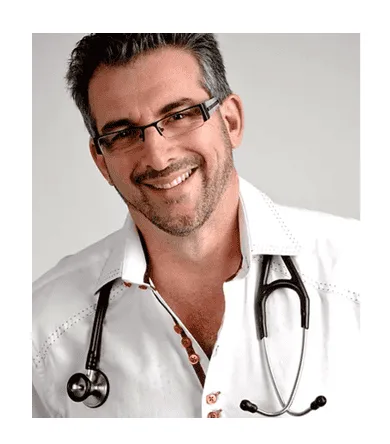
By Dr Patrick Africano BVSc BVMS, Ark Angel Vet. Last reviewed August 2026.
At a glance: both hospital and at-home euthanasia can be humane. The best setting is the one that allows an individual pet to be handled safely, become unconscious with minimal fear or discomfort, and remain surrounded by the people who love them.
When the time comes to say goodbye to a much-loved pet, families are often asked to choose between euthanasia at a veterinary hospital and euthanasia at home. Both settings can provide humane and compassionate care. The best choice depends on your pet’s health, temperament and species, your family’s needs, the urgency of the situation, and the practical resources available.
For many suitable pets, being at home avoids a stressful car journey, unfamiliar smells, other animals and separation from the family. It also gives people more privacy and more time. A hospital, however, has trained staff, controlled facilities and ready access to equipment, and may be available at short notice or outside normal hours. Understanding these differences allows a family to plan gently, rather than make every decision in the middle of a crisis.

The shared goal: a peaceful and humane passing
Wherever euthanasia takes place, the goal is the same: to bring about loss of consciousness and a peaceful passing with the least possible pain, fear or distress. There is no single technique that is ideal for every animal. A veterinarian must consider the patient’s medical condition, circulation, mobility, sensitivity to touch, previous reactions to injections, anxiety, aggression risk, and the safest way to avoid unnecessary restraint.
Families sometimes expect euthanasia to involve one immediate injection. That can happen in some circumstances, but a carefully staged process is often gentler, particularly for an anxious, painful or handling-sensitive pet. The number of stages matters far less than whether the plan suits that individual animal, and whether the pet remains comfortable and unaware during the final stage. If you are worried about this, you may find it reassuring to read will my pet feel pain during euthanasia?
How medications may be used
Euthanasia medications are anaesthetic drugs given at a dose that permanently stops brain function, then breathing, then the heart. Before that final medication, sedative and anaesthetic drug groups may be used to reduce anxiety, produce deep relaxation, and carry the pet into unconsciousness.
In my usual at-home approach, I use three stages. First, pre-sedation produces deep ‘twilight’ sedation. Once your pet is comfortably sedated, I establish intravenous access, usually in a hind leg, and administer a general anaesthetic. Then, when your family is ready and not a moment before, the final anaesthetic overdose is given. This creates a smooth transition from sedation to general anaesthesia and then euthanasia, without ever asking a family to restrain their own pet. You can read more about how a visit unfolds on our process page.
The exact drugs and doses are chosen by the attending veterinarian. They must be adjusted for species, body weight, age, disease, circulation and expected response. A plan for a dog cannot simply be transferred unchanged to a cat, rabbit, rat, bird, sheep or goat.
Routes of administration
Under the skin (subcutaneous): a very fine needle can be used to place sedative medication beneath the skin. This route often allows a pet to stay in a comfortable position, close to the family, while the medication gradually takes effect.
By mouth (oral): for a pet with extreme skin sensitivity, an oral sedative can avoid the discomfort an injection may cause. The taste can occasionally prompt a mild reaction, and absorption is less predictable than an injection, so the plan and timing need to be tailored to the individual pet.
Into a vein (intravenous): once a pet is deeply sedated or anaesthetised, a vein provides a rapid and reliable route for anaesthetic and euthanasia medication. I generally use a hind leg, so that I do not need to position myself between your pet and you. This helps preserve contact and closeness throughout the final stages.
Alternative routes: in very small animals, in birds, or in patients with poor circulation, intravenous access can be difficult. Other veterinary routes may sometimes be needed, and some are appropriate only after deep sedation or unconsciousness. That choice must be made by the veterinarian according to the species, the condition and the welfare of the patient.
Reducing discomfort from the first injection
No veterinarian should be casual about the first injection simply because it is brief. I ask families how their pet normally reacts to injections and to touch. I can use a gentle skin-pinch test before proceeding. When the response is comfortable, I use a super-fine needle and inject slowly to reduce the chance of any discomfort. If skin sensitivity is extreme, an oral route or another modified plan may be kinder.
Sedating deeply before intravenous access also means that clipping and needle or catheter placement happen after awareness has greatly reduced. This matters especially for pets that are sore, frightened by clippers, protective of their legs, or distressed by being held still.
What a hospital can offer
Veterinary hospitals have real and important advantages. Nurses and other trained staff can assist with positioning and monitoring. Lighting, treatment tables and equipment are controlled, and extra help is close at hand if a patient is medically or behaviourally difficult. General practices, emergency hospitals and referral centres may also provide short-notice, overnight, weekend or public-holiday care that a solo at-home veterinarian cannot always cover.
Hospital procedures vary. In some hospitals a pet may have a front leg clipped and an intravenous catheter placed while conscious, with staff providing restraint. The pet may be taken briefly to a treatment room, and sedation may be optional or given later. This can provide fast, reliable venous access, but some pets experience fear, separation anxiety or discomfort from the clipping, handling or catheter placement.
This is not the approach of every hospital. Many veterinary teams use pre-sedation, keep the family together and adapt their process with great sensitivity. Families are always welcome to ask in advance whether sedation is routinely offered, whether catheter placement happens in the room, whether they can remain with their pet, and how the team manages fear or pain. Some Perth clinics also choose to refer families to an external home service when that is the gentler option for a particular pet.
What the home setting can offer
At home, your pet stays in familiar surroundings, with familiar scents, familiar resting places and familiar people. There is no car journey and usually no waiting room. Your family can choose a garden, a favourite bed, the lounge room or another comfortable spot, although the final location is often best decided together with the veterinarian on arrival. Enough floor space, safe access and suitable lighting are the practical considerations. If you would like to think it through beforehand, we have a short guide on how to prepare your home for an at-home euthanasia visit.
Home visits can also accommodate people who cannot sit on the floor because of age, pain or disability. I can bring a portable table and position your pet within easy reach of family members seated on a couch. The aim is never to create a clinical room inside your home, but to combine clinical safety with closeness and familiarity.
Other household pets may be present, or allowed to approach afterwards. Many families find this meaningful, and it can allow companion animals to investigate a change rather than simply experience an unexplained disappearance. If you are weighing this up, you may like to read should other household pets come to the euthanasia appointment?
The limitations of working at home
A home is not a staffed hospital. Space and lighting vary, furniture may restrict access, and there is usually no trained assistant. A frightened animal can hide, move away or guard a painful area. Safety has to include the pet, the family, the veterinarian and any other animals present.
For a highly anxious or aggressive pet, I use a four-step process rather than my usual three stages. The additional step is pre-visit oral medication, prescribed and delivered before the day, with detailed written instructions about dose timing and the arrival plan. I may avoid knocking or waiting at the front door, and instead meet the family in the front yard before entering. Small details like these can prevent a territorial or fear response and make the whole visit safer and calmer. You can read more about this in our guide to understanding behavioural euthanasia, or on our behavioural euthanasia service page.
Not every case suits a routine home visit. Severe aggression, an unsafe property, uncontrolled pain, an urgent medical emergency, or the need for multiple trained handlers may make a hospital or a specially planned behavioural euthanasia service the safer choice. Telling us in advance about bite history, handling triggers and previous medication responses is essential, and never something to feel embarrassed about.

Different species need different plans
Dogs and cats make up most companion-animal euthanasia visits, but rabbits, guinea pigs, rats, birds, backyard chickens, sheep and goats can also be cared for at home. Each species differs in anatomy, stress behaviour, safe handling and response to medications.
A rabbit or a bird can be severely stressed by capture and restraint even when it appears quiet and still. A very small patient may not have an easily accessible vein. Sheep and goats need adequate space and safe positioning. For these reasons a veterinarian may modify the order, route, timing and depth of sedation or anaesthesia. The principle stays constant: minimise fear and restraint, establish unconsciousness appropriately, and confirm death carefully.
What families may notice
Even with a completely peaceful passing, the body can show normal changes that take people by surprise. Breathing may change and then stop. The eyes commonly remain open. There may be small reflex movements, muscle tremors, or a release of urine or faeces. None of these changes mean your pet is conscious or suffering after effective anaesthesia and euthanasia. Knowing about them in advance often takes away most of the shock.
I place an absorbent pad beneath your pet. Where possible, a toilet break before the visit can help. A pet that has been immobile for 12 to 24 hours may have a full bladder, which can sometimes be gently emptied into a kidney dish after unconsciousness. If diarrhoea is present, some leakage may be expected. Calm preparation means these ordinary practical details can be managed quietly and discreetly, without drawing attention away from your goodbye.
Supporting children and grieving adults
Home euthanasia gives children a genuine choice about how much they wish to take part. They should receive simple, honest, age-appropriate explanations, be free to leave and come back, and never be pressured to watch. Children from about four years of age can often take part meaningfully in a memorial once their pet has passed. Our articles on how to explain euthanasia to your children and helping children understand pet loss may help you find the words.
My memorial process may include floating a candle in a bowl of water, adding flower petals and rosemary, writing notes on cards, and attaching those cards gently to your pet’s paws with ribbon. Family members may place petals on your pet’s body. These small actions give children, and adults, something loving and concrete to do at a moment when words are difficult.
I then leave your family alone for private time before returning to complete a final examination and prepare your pet for transfer to cremation, if that is what you have chosen. A seamless aftercare plan matters particularly when the appointment falls after hours. I also leave grief information with you, and I welcome contact later if questions or difficult feelings arise. Our care and support resources are there whenever you need them, including guidance on when it may be time to seek professional grief support.
There is one more quiet benefit to a home visit: deeply grieving adults do not have to drive immediately afterwards. Concentration and judgement are genuinely affected by grief, and removing that journey is safer as well as kinder.
Planning the right setting
There is no single correct setting for every pet. A hospital may be the best choice when care is urgent, when trained assistance is needed, or when a home service is unavailable. Home may be preferable when travel, unfamiliar surroundings, separation or conscious restraint would cause significant stress, and when the home environment can be made safe.
If time allows, speak with a veterinarian before you reach crisis point. A quality of life assessment can be a gentle place to start, and our article on when is the right time to say goodbye may help you order your thoughts. Discuss your pet’s previous reactions to injections and handling, their mobility, pain, anxiety, aggression history and species-specific needs, and who will be present, including children and other pets. Ask how sedation is used, when intravenous access is established, whether your pet will leave your side, what physical changes you may see, and how aftercare will be arranged.
Families often worry that they must prepare the perfect place before the veterinarian arrives. Usually this is unnecessary. We can decide together whether the floor, a favourite bed, the garden or a portable table will best suit your pet’s comfort, your family’s needs and the practical requirements of the procedure.
Questions you can ask any veterinarian
- Will my pet receive sedation before clipping or intravenous access?
- Can I remain with my pet throughout the process?
- How will you adapt the plan for my pet’s pain, anxiety, species or handling sensitivity?
- What changes might I see or hear during and after the passing?
- What are the options for children, other pets and private family time?
- How will transfer, cremation or another form of aftercare be arranged?
Frequently asked questions
Is at-home euthanasia better than a veterinary hospital?
Neither setting is automatically better. Both can be entirely humane. Home is often gentler for a pet who finds travel, unfamiliar places or restraint distressing, and it gives families privacy and unhurried time. A hospital may be the safer or the only option when care is urgent, when trained assistants are needed, or outside the hours a solo home veterinarian can cover. The right answer is the one that fits your individual pet.
Will my pet be sedated before the final injection?
In my at-home visits, yes. I use a three-stage approach: pre-sedation to produce deep ‘twilight’ sedation, then a general anaesthetic through a vein, then the final medication when your family is ready. In hospitals, practice varies, so it is always worth asking whether sedation is given routinely and at what point.
What if my pet is anxious or has bitten before?
Please tell us. It changes the plan for the better, not the answer. For anxious or aggressive pets I use a four-step process that begins with oral medication given at home before I arrive, along with written instructions and an arrival plan designed to avoid triggering a territorial or fear response. In some cases a hospital or a specially planned behavioural euthanasia is the safer setting, and we will say so honestly.
Can my children and my other pets be there?
Yes, if that is what your family wants. Children should be given an honest, age-appropriate explanation, allowed to leave and return, and never pressured to watch. Other household pets may be present, or may be allowed to approach afterwards, which many families find meaningful.
Which pets can be euthanased at home?
Dogs and cats most commonly, but also rabbits, guinea pigs, rats, birds, backyard chickens, sheep and goats. Each species needs a different plan for handling, sedation and route of administration, so please tell us the species and approximate weight when you first make contact.
What happens after my pet has passed?
I leave your family alone for private time, then return to complete a final examination and prepare your pet with care. If you have chosen cremation, aquamation or another form of aftercare, I arrange the transfer for you. You can read about the choices available on our pet aftercare and cremation page.
Talking it through
At Ark Angel Vet, my aim is to combine careful veterinary planning with an unhurried, family-centred farewell. You are very welcome to contact me in advance, well before any decision is made, to talk about whether at-home euthanasia is right for your pet and to put an individual plan in place. Our pricing and full range of services are set out plainly on the site, so there are no surprises at a time when you least need them.
Important note
This article provides general information and cannot determine the safest or most appropriate procedure for an individual animal. Medication choices, routes of administration and suitability for home euthanasia all require assessment and planning by the attending veterinarian.
Professional references
- Australian Veterinary Association, Euthanasia policy
- British Small Animal Veterinary Association, Euthanasia position statement (February 2026)
- American Veterinary Medical Association, Guidelines for the Euthanasia of Animals (2020 edition)
- RSPCA Australia, Policy A5: Euthanasia of companion animals