A compassionate guide to dog dementia, quality of life and the euthanasia decision
At a glance: Canine cognitive dysfunction is a progressive, dementia-like condition affecting older dogs. A diagnosis does not automatically mean that euthanasia is required. The decision becomes appropriate when confusion has progressed into persistent fear or distress, meaningful enjoyment has largely disappeared, and reasonable treatment and support can no longer provide an acceptable quality of life.
Introduction
Watching an older dog become confused, unsettled or disconnected can be one of the most painful parts of loving them. Families often wonder whether the changes are simply part of ageing, whether treatment may still help, and how they will recognise when their dog is no longer enjoying a comfortable life.
Canine cognitive dysfunction, sometimes described as dog dementia, is a progressive, age-related disorder affecting memory, learning, awareness and behaviour. It shares some features with Alzheimer’s disease in people, but it does not progress at the same rate in every dog. Some dogs remain comfortable for a meaningful period with veterinary treatment, environmental support and a predictable routine.

Recognising The Signs of Cognitive Dysfunction
Veterinarians often organise the signs under the acronym DISHAA. Families may notice one or several of the following changes:
- Disorientation: becoming trapped behind furniture, staring at walls, wandering aimlessly or appearing lost in a familiar home.
- Interaction changes: becoming withdrawn, less responsive, unusually dependent or occasionally irritable.
- Sleep-wake disturbance: sleeping through much of the day, then pacing, panting or vocalising overnight.
- House-soiling: losing previously established toileting habits.
- Activity changes: repetitive pacing, reduced exploration or loss of interest in familiar routines.
- Anxiety: difficulty settling, panic when left alone or new fears in previously familiar situations.
A dog may still eat well and recognise family members while experiencing significant night-time anxiety or disorientation. For this reason, appetite alone is not a complete measure of wellbeing.
First, Consider Other Medical Causes
Cognitive dysfunction is usually diagnosed from the history and behavioural pattern after considering other explanations. Arthritis and other painful conditions, hearing or vision loss, urinary disease, kidney or liver disease, endocrine disorders, medication effects and other neurological conditions can all cause similar changes.
A sudden deterioration should be investigated rather than assumed to be dementia. Pain may present as restlessness, panting, poor sleep, irritability or reluctance to move. A urinary infection may cause accidents indoors. Hearing or vision loss may make a dog seem unresponsive or disorientated. More than one condition is often present in a senior dog.
What May Help in the Earlier Stages?
Early recognition matters because treatment and practical support may reduce symptoms or slow the loss of function for some dogs. Depending on the individual patient, a veterinarian may discuss medication, treatment of pain or anxiety, dietary support and gentle mental and physical activity.
Simple environmental changes can also help. Night-lights, non-slip flooring, ramps, easy access to water and toileting areas, barriers around unsafe spaces and a consistent daily routine may make the home easier to navigate. Gentle walks, sniffing, food puzzles and familiar social contact can provide enrichment without overwhelming the dog.
The purpose of treatment is not simply to extend life. It is to preserve comfort, security, connection and worthwhile experiences.
Assessing Quality of Life
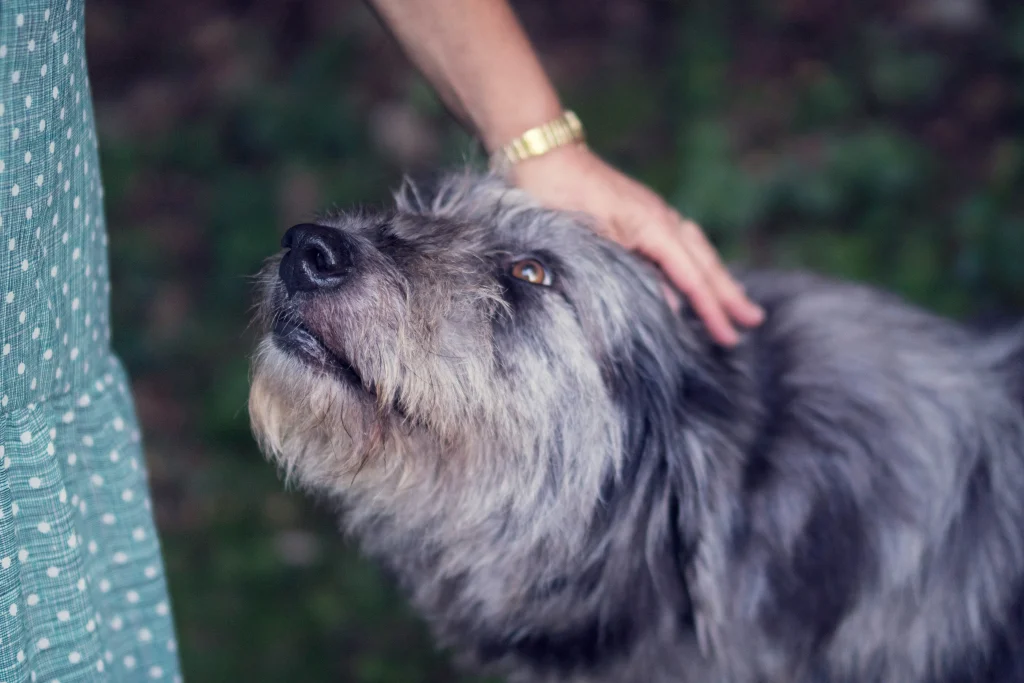
The most useful question is not only, “How confused is my dog?” It is: “Can my dog still experience comfort, security, pleasure and meaningful connection for a reasonable part of each day?”
A quality-of-life diary can make gradual change easier to recognise. Each day, consider:
- physical comfort and control of pain
- anxiety, confusion and the ability to settle
- sleep and rest
- appetite and hydration
- toileting and hygiene
- mobility and safety
- interaction with familiar people
- interest and enjoyment
It can also help to identify three activities that have always mattered to your dog – for example, enjoying meals, greeting the family, sniffing in the garden or resting peacefully beside you. Losing one activity may be manageable. Losing most of them, particularly when difficult days consistently outnumber comfortable ones, is more significant.
When Euthanasia Should Be Seriously Considered
A peaceful euthanasia may be the kindest decision when several of the following are persistent, worsening and no longer responding adequately to reasonable support:
- frequent fear, panic, agitation or distressing disorientation
- prolonged pacing, vocalising or an inability to settle and sleep
- repeatedly becoming trapped, lost or unsafe in familiar surroundings
- little remaining interest in food, family contact or previously valued activities
- pain, poor mobility or another illness compounding the cognitive decline
- an inability to be left safely alone or to maintain acceptable hygiene
- treatment and environmental changes no longer providing meaningful relief
- difficult days consistently beginning to outnumber comfortable ones
There is rarely one perfect moment when the answer becomes completely clear. Families do not need to wait until every pleasure has disappeared or an emergency occurs. If a dog is regularly frightened, exhausted, disconnected or unable to enjoy the experiences that once gave life meaning, planning a calm farewell before a crisis can be a compassionate decision.
The Family’s Wellbeing Also Matters
Caring for a dog with cognitive dysfunction can involve interrupted sleep, continuous supervision, cleaning, medication and anxiety about leaving the dog alone. Australian research has found that caregiver burden increases as cognitive dysfunction becomes more severe. A family’s ability to provide safe and consistent care is therefore part of an honest welfare discussion, not a reason for guilt.
Anticipatory grief often begins well before the final goodbye. Families may grieve changes in personality, recognition and shared routines while their dog is still physically present. Research involving Australian dog guardians has also linked anticipatory grief with caregiver burden and emotional closeness.
Discussing the likely progression, deciding what an unacceptable day would look like and making an end-of-life plan in advance can reduce the chance of being forced into a rushed decision during a crisis.
A Peaceful Farewell at Home
For some dogs with cognitive dysfunction, travel and an unfamiliar hospital environment can add confusion or anxiety. When clinically appropriate, at-home euthanasia allows the dog to remain in familiar surroundings, close to the people they trust.
My usual approach is carefully staged. Pre-sedation allows the dog to become deeply relaxed before intravenous access and general anaesthesia. When the family is ready, the final euthanasia medication is given after unconsciousness has been established. The aim is an unhurried and peaceful transition without requiring the family to restrain their dog.
A hospital may still be the safest or most appropriate setting when a dog is experiencing an urgent medical crisis, requires additional trained handlers or needs equipment and assistance that are not available in the home. The best setting is the one that protects the dog’s welfare and allows the procedure to be performed safely.

Planning Before a Crisis
If you are uncertain whether the time is approaching, a quality-of-life assessment can help identify what has changed, what may still be treatable and whether your dog is experiencing enough comfort and enjoyment to continue.
The decision to proceed with euthanasia is not a judgement that your dog’s life no longer matters. It is a decision to prevent further fear or suffering when the balance has shifted and comfort can no longer be maintained. Choosing a peaceful farewell at the appropriate time can be one of the final acts of protection we offer a much-loved companion.
At Ark Angel Vet, my role is to provide clear, compassionate guidance and support families through an individualised, peaceful at-home farewell when the time is right.
Important Note
This article provides general information and cannot diagnose canine cognitive dysfunction or determine the appropriate timing of euthanasia for an individual dog. Sudden behavioural change, collapse, breathing difficulty, uncontrolled pain, repeated seizures or severe distress require prompt veterinary assessment.
Kind regards
Dr Patrick Africano
Ark Angel Vet – Dedicated to Peaceful At-Home Euthanasia
Mb 0408 915 550
Vet Reg # V0201
FAQs
It’s a progressive, age-related condition affecting memory, learning, awareness and behaviour in older dogs, similar in some ways to Alzheimer’s disease in people. It doesn’t progress at the same rate in every dog.
Vets often use the acronym DISHAA: disorientation, interaction changes, sleep-wake disturbance, house-soiling, activity changes and anxiety. A dog can still eat well and recognise family while showing other signs, so appetite alone isn’t a reliable measure.
No. A diagnosis doesn’t automatically mean euthanasia is needed. Many dogs remain comfortable for a meaningful time with treatment, environmental support and a predictable routine. Euthanasia becomes appropriate when confusion progresses into persistent fear or distress and reasonable support can no longer maintain an acceptable quality of life.
Track a few things that have always mattered to your dog, such as mealtimes, greetings or garden sniffs, alongside comfort, sleep, appetite and interest each day. Losing one is manageable; losing most, especially when difficult days start outnumbering good ones, is more significant.
There’s no cure, but medication, pain management, dietary support and simple environmental changes, such as night-lights, ramps and a consistent routine, can reduce symptoms and slow the loss of function for some dogs.
Professional References
- Brisset A, Taylor TL, Blanchard T, Fernandez EJ, Hazel SJ – Attitudes of Australian Veterinary Professionals to Diagnosing and Managing Canine Cognitive Dysfunction, Veterinary Sciences, 2025
- Taylor, Smith and Hazel – Guardians’ Perceptions of Caring for a Dog with Canine Cognitive Dysfunction
- Schütt and colleagues – Cognitive Function and Progression of Age-Related Behavioural Changes in Dogs
- Taylor and colleagues – Anticipatory Grief and Canine Cognitive Dysfunction