One of the most common things families say when discussing euthanasia is:
“My pet is still eating, so surely it is not time yet?”
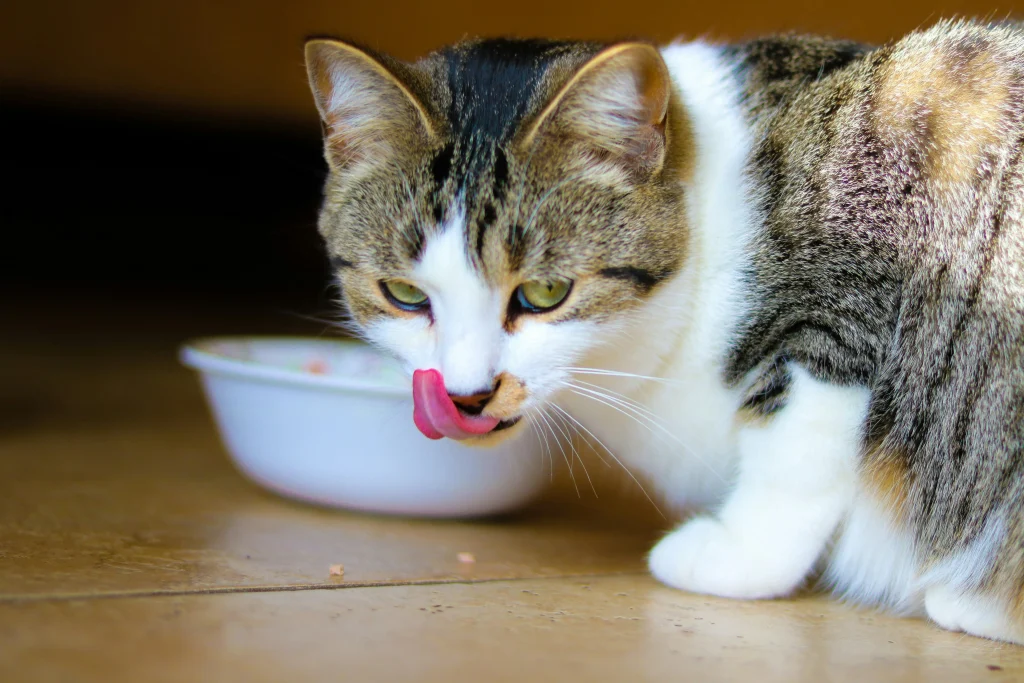
Eating is an important positive sign. It can show that a pet still enjoys food and recognises a familiar part of their day. However, appetite is only one part of quality of life.
A dog or cat may continue eating while experiencing serious pain, breathing problems, confusion, anxiety or loss of mobility. Some pets will accept favourite foods until very late in an illness.
The euthanasia decision should therefore not be based on appetite alone. A more useful question is:
“My pet is still eating, but how comfortable and meaningful is the rest of their day?”

Why Eating Can Be Misleading
Food is closely connected with love and care. Preparing meals, offering treats and watching a pet eat are important parts of family life.
When an unwell pet continues eating, it naturally gives us hope. However, eating does not always mean that a pet feels well overall.
Appetite can remain because of:
- enjoyment of favourite foods
- habit and routine
- hand-feeding
- appetite-stimulating medication
- corticosteroid medication
- hunger despite pain or disability
A pet may enjoy a meal but spend the rest of the day in pain, unable to move comfortably or distressed by breathing problems.
This does not make eating unimportant. It means that appetite must be considered alongside every other part of the pet’s life.
Look at the Whole Day
When assessing quality of life, consider the complete 24-hour period, not only the few minutes when food is offered.
Pain and Comfort
Can your pet rest without panting, trembling or repeatedly changing position? Can they be touched, lifted or helped without showing pain or fear? Does medication provide good comfort throughout the day and night?
Dogs and cats do not always cry when they are in pain. They may become quiet, restless, withdrawn, irritable or reluctant to move.
Breathing
Can your pet breathe comfortably while resting and sleeping? Rapid or difficult breathing can be very distressing. A pet may still eat despite serious heart or lung disease.
Open-mouth breathing in a cat, blue or grey gums, severe breathing effort or collapse requires immediate emergency veterinary care.
Mobility
Can your pet rise, walk and change position? Can they reach food, water and the toileting area?
A pet does not need to walk long distances to have a good quality of life. However, repeated falls, becoming stranded, struggling to stand or becoming distressed during assistance are serious concerns.
Toileting and Hygiene
Can your pet urinate and pass faeces comfortably? Can they reach the garden or litter tray and maintain a normal toileting position? Can they remain clean and dry without painful or frightening handling?
Occasional accidents may be manageable. Repeated soiling, urine scald, skin infections or distress during cleaning can significantly affect quality of life.
Sleep
Can your pet settle and sleep comfortably? Night-time panting, pacing, crying or confusion may be caused by pain, breathing difficulty, anxiety or cognitive decline.
A pet who eats well but cannot rest comfortably may still have a poor quality of life.
Happiness and Interaction
Does your pet still seek affection and respond to family members? Do they enjoy familiar routines, resting places, time outside or gentle attention?
A pet may become increasingly withdrawn, frightened or confused while still accepting food.
A Serious Diagnosis Does Not Automatically Mean Euthanasia
Cancer, kidney disease, heart disease, arthritis or neurological disease does not always mean that euthanasia is immediately necessary.
Some pets remain comfortable for months or years with appropriate treatment. Others decline rapidly or develop symptoms that cannot be controlled.
The diagnosis tells us what disease is present. It does not tell us exactly how the individual pet feels each day.
Important questions include:
- Is the condition treatable or manageable?
- Is it progressive or terminal?
- Is treatment making my pet feel better?
- How long does the improvement last?
- Are medication side effects reducing quality of life?
- What is likely to happen next?
- Could the next stage involve a painful or frightening emergency?
These questions should be discussed with the regular veterinarian who knows your pet’s history.
Work with Your Regular Veterinarian
Your regular veterinarian can determine whether the concerning changes are caused by:
- pain that could be treated more effectively
- a medication side effect
- dehydration or infection
- progression of the known disease
- a new medical problem
- an emergency
- the final stage of an illness
Blood tests, X-rays, ultrasound, medication changes or a short treatment trial may be recommended.
Ask your veterinarian to explain the likely outcome in simple terms:
- Is there another reasonable treatment?
- What improvement should we expect?
- How quickly should improvement occur?
- How will we know whether treatment has worked?
- What signs would mean treatment is no longer helping?
- What might the next crisis look like?
- When would you consider euthanasia if this were your own pet?
A short treatment trial can sometimes provide clarity. Decide beforehand what a successful result should look like. This may include comfortable sleep, easier movement, normal breathing or renewed interest in family activities.
If the expected improvement does not occur, it is important to review the plan rather than continuing treatment without a clear benefit.
Dr Patrick’s Quality-of-Life Questionnaire
When families are uncertain, I use a structured quality-of-life questionnaire to help them look at the whole picture.
The questionnaire considers:
- pain and comfort (often very difficult to assess)
- breathing
- hydration
- appetite
- toileting and hygiene
- mobility
- sleep
- anxiety or confusion
- family interaction
- enjoyment of normal activities
- the number of comfortable and difficult days
It does not produce a single number that makes the decision for the family. No form can fully describe the relationship between a person and their pet.
Instead, the questionnaire helps identify which areas remain comfortable, which are changing and which have become serious welfare concerns. It may show that appetite is still good while several other important areas have declined.
The completed questionnaire can also support a discussion with your regular veterinarian. Your veterinarian provides the medical assessment, while you provide the detailed observations of how your pet is coping at home.
If family members disagree, it may help for each person to complete the questionnaire separately. One family member may see the pet mainly during meals, while another manages medication, toileting problems or restlessness overnight.
Different answers do not mean that one person cares more. They may simply be seeing different parts of the pet’s day.
Keep a Simple Diary
Gradual decline can be difficult to recognise. Families naturally change their routines to support an ageing or unwell pet.
For one or two weeks, record:
- appetite
- comfort
- breathing
- mobility
- toileting
- sleep
- family interaction
- response to medication
- any episodes of confusion, collapse or distress
- whether the day was mainly comfortable or difficult
Short videos of your pet walking, rising, breathing while asleep or attempting to toilet can also help your veterinarian understand what is happening at home.
A diary may show that your pet is stable and enjoying life. It may also show that one positive feature, such as eating, is hiding an overall pattern of decline.

What Still Brings Your Pet Joy?
Choose three to five activities that have always mattered to your pet.
These might include:
- greeting the family
- enjoying meals
- walking into the garden
- resting beside someone
- playing with a favourite toy
- sniffing outside
- grooming
- sleeping peacefully in a favourite place
Ask whether your pet can still enjoy these activities without significant pain, fear or exhaustion. If eating has become the only pleasure remaining, it is reasonable to question whether appetite alone is providing enough quality of life.
When Should Euthanasia Be Considered?
It may be time to discuss euthanasia even when a pet is eating if they have:
- persistent pain despite treatment
- breathing difficulty
- repeated collapse
- severe loss of mobility
- repeated falls
- inability to toilet comfortably
- severe anxiety or confusion
- inability to sleep or settle
- repeated seizures
- distress during essential care
- withdrawal from the family
- frequent medical emergencies
- shorter and less complete responses to treatment
- more difficult days than comfortable days
One symptom does not always mean that euthanasia is required immediately. Its severity, frequency and response to treatment must be considered. The key question is whether further treatment has a reasonable chance of restoring comfort, not simply extending time.
Do Not Wait Only for Appetite to Disappear
Families often wait for their pet to stop eating because they expect this to provide a clear sign. Unfortunately, some pets continue eating until very late. Waiting for food refusal may expose them to an avoidable crisis involving severe pain, breathing difficulty, collapse, seizures, panic or complete loss of mobility.
Discussing euthanasia does not mean it must happen immediately. Early discussion allows the family to:
- understand the likely progression
- decide which changes would be unacceptable
- prepare family members
- consider euthanasia at home or in hospital
- make aftercare arrangements
- avoid making every decision during an emergency
Choosing euthanasia while a pet can still enjoy a favourite meal may feel too early. However, the aim is not to wait until every pleasure has disappeared.
A peaceful farewell may allow a pet to remain settled, recognise their family and enjoy gentle attention without experiencing the final and most distressing stage of their illness.

The Decision Is About the Whole of Life
Eating is important, but it is not the only sign of wellbeing.
Instead of asking only:
“Is my pet still eating?”
Ask:
“Is my pet still experiencing a life in which comfort, security and enjoyment outweigh pain, fear and physical struggle?”
Your regular veterinarian can assess the disease and available treatments. My quality-of-life questionnaire can help organise what you are observing at home. Together, these can support a decision based on your pet’s whole experience, not just what happens at the food bowl.
A pet does not need to stop eating before euthanasia becomes a compassionate decision. Sometimes preventing the next crisis is the kindest final act a family can provide.
Kind regards
Dr Patrick Africano
Ark Angel Vet – Dedicated to Peaceful At-Home Euthanasia
Mb 0408 915 550
Vet Reg # V0201
FAQs
Not necessarily. Appetite is only one part of quality of life. A pet can keep eating while still experiencing serious pain, breathing difficulty, anxiety or loss of mobility, so the whole day matters more than the food bowl alone.
Appetite can be driven by habit, hand-feeding, appetite-stimulating or corticosteroid medication, or simple hunger, even alongside significant pain or disability. It isn’t always a reliable sign of overall comfort.
Keep a simple diary of appetite, comfort, breathing, mobility, toileting, sleep, family interaction and response to medication over one to two weeks. A short daily video of your pet moving or resting can also help your vet see what’s happening at home.
No. Waiting for food refusal as the deciding sign can mean missing other important warning signs and risking an avoidable crisis, like severe pain, a breathing emergency or a sudden collapse.
It’s a structured way of looking at pain, breathing, hydration, appetite, toileting, mobility, sleep and enjoyment together, rather than focusing on one factor. It doesn’t make the decision for you, but it helps identify which areas are declining even when others, like appetite, still look fine.
References
- Australian Veterinary Association. Euthanasia Policy.
- RSPCA Australia. Policy A5: Euthanasia of Companion Animals.
- International Association for Animal Hospice and Palliative Care. Animal Hospice and Palliative Care Guidelines.
- Reynolds CA, Oyama MA, Rush JE, et al. Perceptions of Quality of Life and Priorities of Owners of Cats with Heart Disease. Journal of Veterinary Internal Medicine. 2010;24(6):1421-1426.