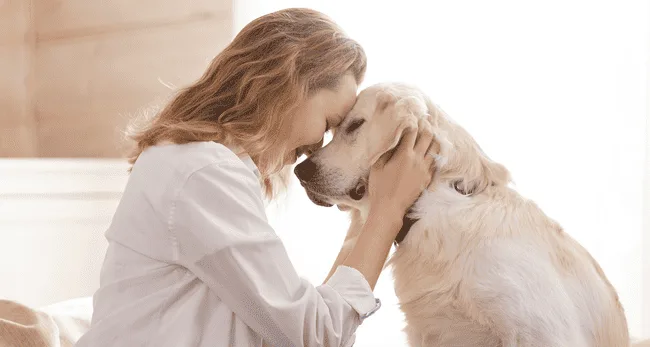
Hoping that a much-loved pet will pass peacefully at home is completely understandable.
Many families struggle with the idea of choosing euthanasia. They may worry about making the decision too soon, feel unable to “give permission” for their pet to die, or hope that nature will make the decision for them.
These feelings do not mean that you are avoiding responsibility or that you love your pet any less. They usually reflect how painful it is to imagine life without them.
However, although some pets do pass quietly, a peaceful natural death cannot be guaranteed. Depending on the illness, waiting may expose a pet to pain, breathlessness, fear or a distressing emergency. Understanding what could happen allows families to plan with compassion, rather than having to make every decision during a crisis.

Is A Natural Death Always Peaceful?
Unfortunately, natural death does not always mean a gentle or pain-free death. Some pets gradually become sleepier and less responsive before passing. Others experience distressing symptoms that may continue for hours or occasionally longer.
Possible problems include:
- severe pain
- difficulty breathing or a feeling of air hunger
- repeated vomiting or nausea
- dehydration and intense thirst
- restlessness or inability to settle
- confusion, anxiety or panic
- seizures
- uncontrolled bleeding
- collapse or extreme weakness
- inability to stand, walk or toilet
- crying, vocalising or appearing frightened
- prolonged periods of reduced consciousness
The likely pattern depends on the pet’s condition. Heart or lung disease may cause a sudden breathing crisis. Kidney or liver failure may cause nausea, weakness, confusion or seizures. Cancer may cause pain, bleeding, obstruction or sudden collapse. It is often impossible to predict exactly when deterioration will occur or how quickly it will progress.
Waiting and Watching Can Become Difficult
Families may decide to take things “one day at a time”. This can be appropriate while the pet remains comfortable and symptoms are being controlled. The difficulty is that deterioration can happen suddenly, particularly at night, over a weekend or on a public holiday.
A pet who seemed reasonably settled in the afternoon may develop severe pain, breathing difficulty, bleeding, seizures or collapse during the night. The family may then need to:
- contact an after-hours veterinary service
- transport a frightened or uncomfortable pet
- wait for an emergency assessment
- make an urgent euthanasia decision in an unfamiliar hospital
- accept that a preferred home euthanasia service is not immediately available
An out-of-hours emergency visit can be stressful for the pet and family. It may also involve additional travel and expense. Planning ahead cannot prevent every emergency, but it can reduce uncertainty and help the family know where to go and whom to call.
Hospice-Supported Natural Passing
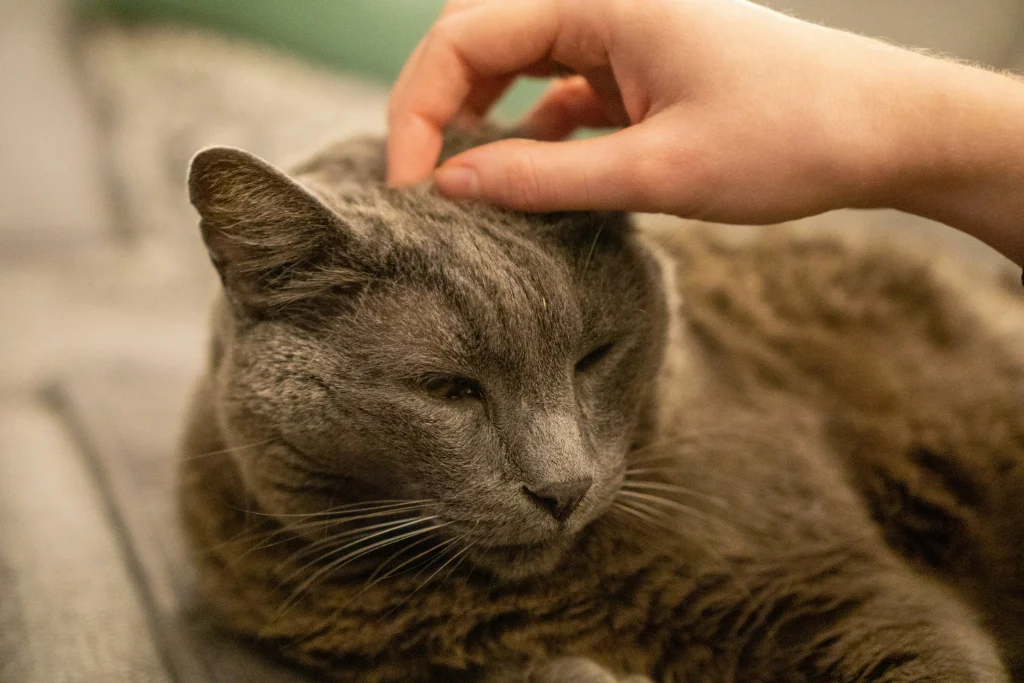
Choosing not to proceed immediately with euthanasia does not have to mean simply waiting without support. Veterinary hospice and palliative care focus on maintaining comfort during the final stage of life. Care may include:
- pain relief
- medication for nausea or anxiety
- support with eating and hydration
- comfortable bedding and help with mobility
- assistance with toileting and hygiene
- regular quality-of-life assessments
- a plan for expected deterioration
- clear instructions for an emergency
A hospice-supported natural passing should occur under veterinary guidance, with effective measures available to relieve pain and distress. Ask your veterinarian what symptoms are likely, whether they can be controlled at home, and what should happen if medication is no longer enough. In some situations, palliative sedation may be discussed. In others, euthanasia may remain the most reliable way to prevent suffering.
How Can an Unplanned Passing Affect the Family?
Watching a beloved pet die can have a powerful emotional effect. When a passing involves breathlessness, seizures, bleeding, vocalisation or panic, family members may feel frightened and helpless. These final images can sometimes overshadow memories of the pet’s many happy years.
Afterwards, people may experience:
- guilt about having waited
- repeated thoughts about what they witnessed
- regret that they did not seek help sooner
- anger or blame between family members
- exhaustion after days or nights of constant monitoring
- anxiety about whether their pet suffered
- difficulty accepting how the death occurred
Children may also be frightened or confused by a distressing natural death. If children are involved, it is helpful to explain honestly and gently what may happen, and to make sure they have the choice to leave the room.
This does not mean that every natural passing will be traumatic. It means that families deserve to understand the possibility before deciding to wait.
Euthanasia can also bring grief, doubt and guilt. No option removes the sadness of losing a pet. The goal is not to find a choice that feels painless for the family. It is to protect the pet from suffering that can reasonably be prevented.
How Do I Know Whether It Is Time?
There is rarely one perfect moment. A quality-of-life assessment can help you look beyond one good meal or one brighter afternoon. Consider whether your pet can still:
- breathe comfortably
- rest and sleep without distress
- eat and drink adequately
- move without serious pain or fear
- reach an appropriate toileting area
- remain clean and dry
- enjoy affection and familiar activities
- respond meaningfully to treatment
- experience more comfortable days than difficult ones
A short daily diary can make gradual changes easier to recognise. Record appetite, breathing, pain, mobility, sleep, toileting, interaction and whether the day was mainly comfortable or difficult.
If family members disagree, each person can record their observations separately. Different opinions often arise because one person sees the pet during the day while another manages restlessness, toileting or medication overnight.

Decide On Your Limits Before a Crisis
Ask your veterinarian to help identify changes that would mean your pet should no longer wait. These limits might include:
- pain that cannot be controlled
- laboured or distressed breathing
- repeated seizures
- inability to stand or toilet without distress
- persistent vomiting or inability to drink
- uncontrolled bleeding
- repeated collapse
- severe confusion, panic or restlessness
- treatment providing only brief improvement
- difficult days consistently outnumbering comfortable days
Knowing these limits in advance does not commit you to euthanasia on a particular day. It gives you a compassionate plan if your pet’s condition changes.
Make An Emergency Plan
Before deciding to continue care at home, ask:
- Who should I call during normal hours?
- Which emergency hospital should I use after hours?
- How will I transport my pet safely?
- Which medications can be given during a crisis?
- Which signs mean that I should not wait?
- Is emergency or home euthanasia available in my area?
- What should I do if my pet dies naturally at home?
- What aftercare arrangements would I prefer?
Keep the telephone numbers and address of the nearest after-hours veterinary service somewhere easy to find.
If your pet develops severe breathing difficulty, uncontrolled pain, repeated seizures, major bleeding, collapse or profound distress, seek urgent veterinary care. It may not be safe or kind to wait for a planned home appointment.
Planning Euthanasia Does Not Mean Giving Up
Discussing euthanasia does not mean that it must happen immediately. It allows you to understand the process, consider whether home or hospital euthanasia would be best, and make decisions while your pet is still settled. Plans can be reviewed if circumstances change.
A planned euthanasia may allow your pet to be:
- in familiar surroundings
- close to the people they trust
- calm and comfortably supported
- free from an emergency journey
- protected from the final and potentially distressing stage of disease
Choosing euthanasia before a crisis does not mean that your pet had no happiness left. It may mean that you recognised where the illness was heading and prevented suffering before it became severe.
You Do Not Have to Make This Decision Alone
Ask your regular veterinarian to explain:
- what your pet is likely to experience
- whether the condition could still improve
- which symptoms can be controlled
- what a natural passing may look like
- how likely an emergency is
- whether further treatment will restore comfort
- when euthanasia would become the kinder option
A quality-of-life consultation can help organise these questions without pressure or judgement.
Hoping for a peaceful natural passing comes from love. Sometimes it may be possible with careful veterinary hospice support. At other times, euthanasia provides the most reliable protection against pain, fear and distress.
The aim is not to take a comfortable life away. It is to ensure that the final part of your pet’s life remains as gentle as the love you have given them throughout it.
Kind regards
Dr Patrick Africano
Ark Angel Vet – Dedicated to Peaceful At-Home Euthanasia
Mb 0408 915 550
Vet Reg # V0201
FAQs
There’s rarely one perfect moment. A quality-of-life assessment, looking at pain, breathing, appetite, mobility, hygiene and whether comfortable days outnumber difficult ones, can help you see the pattern more clearly than a single good or bad day.
Some pets do pass gently in their sleep, but a peaceful natural death can’t be guaranteed. Depending on the illness, waiting can expose a pet to pain, breathlessness, seizures or a distressing emergency. Veterinary hospice support can help manage symptoms if a family chooses this path.
Palliative or hospice care focuses on comfort, such as pain relief, anti-nausea medication and mobility support, while a pet’s illness runs its course. Euthanasia is a deliberate, planned, peaceful end to a pet’s life when suffering can no longer be adequately managed.
Yes. Guilt, doubt and grief are common no matter which path a family chooses. Feeling this way doesn’t mean the decision was wrong. It usually reflects how deeply the pet was loved.
If your pet develops severe breathing difficulty, uncontrolled pain, repeated seizures, major bleeding, collapse or profound distress, seek urgent veterinary care straight away rather than waiting for a planned appointment.
Professional References
- Australian Veterinary Association. Euthanasia Policy.
- RSPCA Australia. Policy A5: Euthanasia of Companion Animals.
- International Association for Animal Hospice and Palliative Care (IAAHPC). Animal Hospice and Palliative Care Guidelines.
- American Animal Hospital Association and International Association for Animal Hospice and Palliative Care. 2016 AAHA/IAAHPC End-of-Life Care Guidelines.
- Spitznagel MB, Jacobson DM, Cox MD, Carlson MD. Assessment of Caregiver Burden Among Owners of Dogs and Cats with Chronic or Terminal Disease. Journal of the American Veterinary Medical Association. 2019;254(1):124-132. View on PubMed